

What Art Meant to Zoe
Zoe’s entry point to the world, her first sensibility and means of communication was visual.
She was in first grade when I found her at the art table in our playroom, working on homework, deep in concentration. All of a sudden, she jumped up from her seat to strike an odd pose: one foot in front of the other, arms in mid-swing. She looked down at herself, back at an extended leg, studying the position of her feet, arms, and torso, then reclaimed her seat to scribble furiously. Soon she hopped up into the pose again, then sat and worked some more, and so on. From the doorway, I asked what she was doing. Zoe replied “Math,” without breaking the stand-pose-study-sit-scribble routine. As I got closer, I saw that the math sheet asked students to write and illustrate a word problem. The text part of Zoe’s assignment was done—something simple and grade-appropriate involving bananas and apples. But the real effort was devoted to her drawing of a girl—clearly Zoe herself, judging from the matching puffs of hair on each side of her head—striding across the page with a basket of apples on one arm, a fluffy question mark-shaped cloud over her head. Zoe labored over an hour until she was satisfied with her creation.
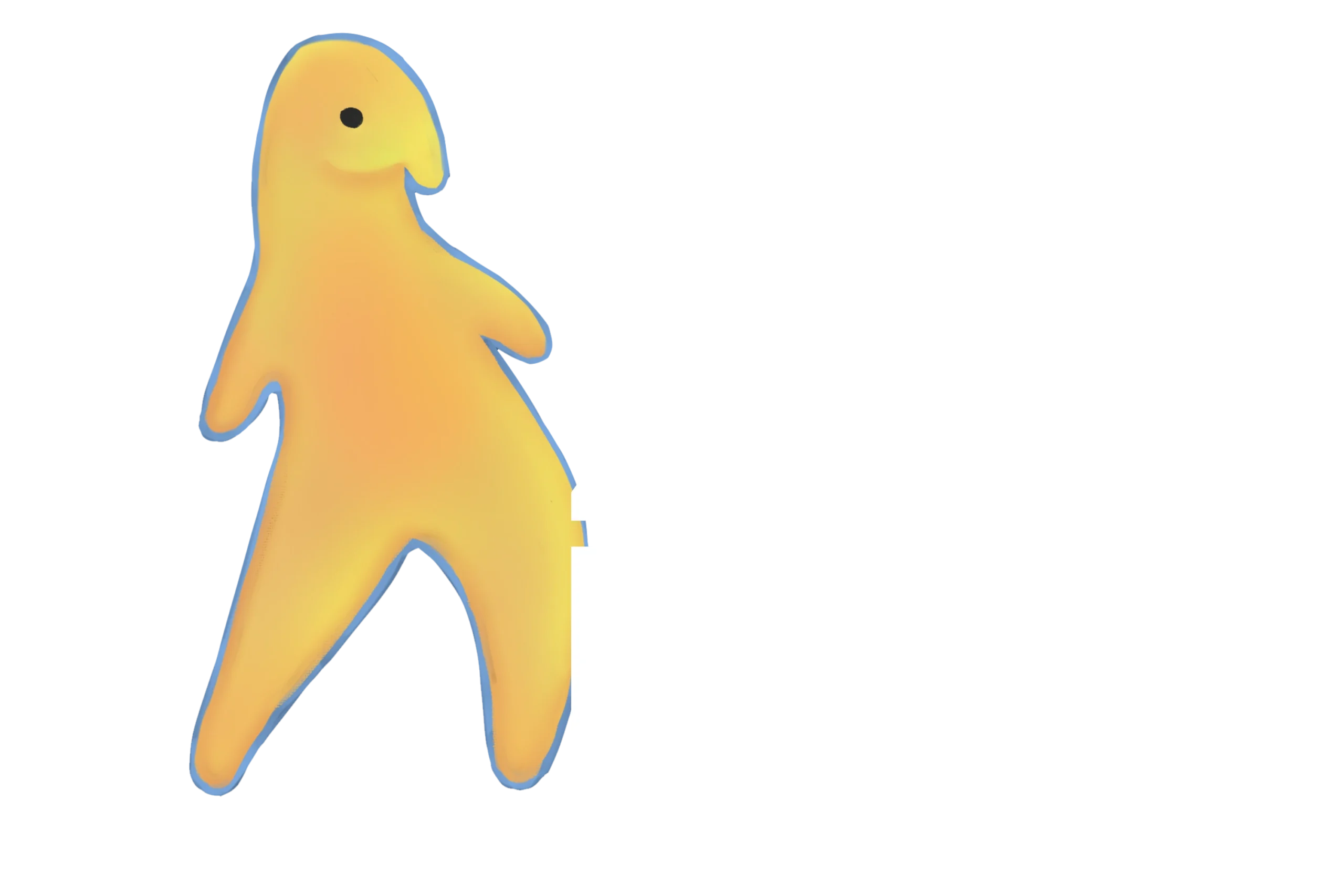
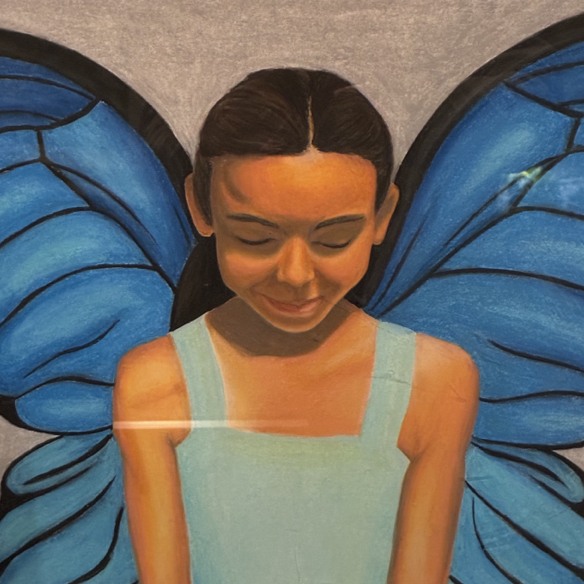
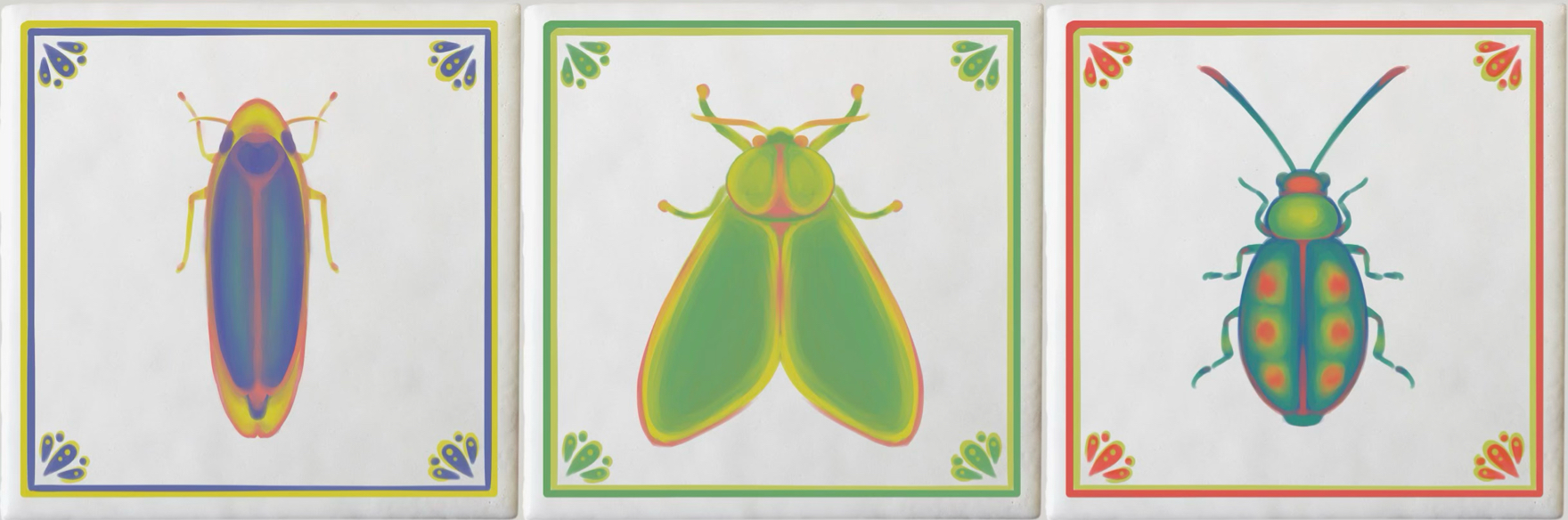
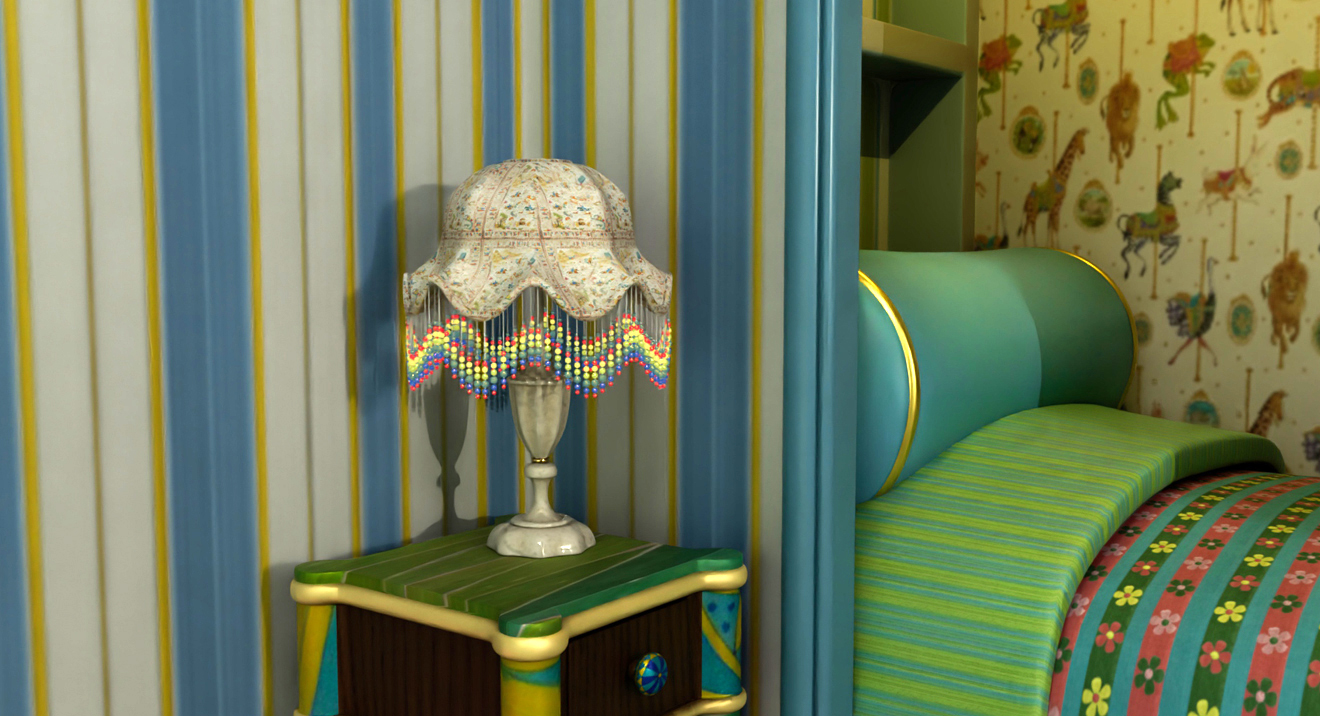
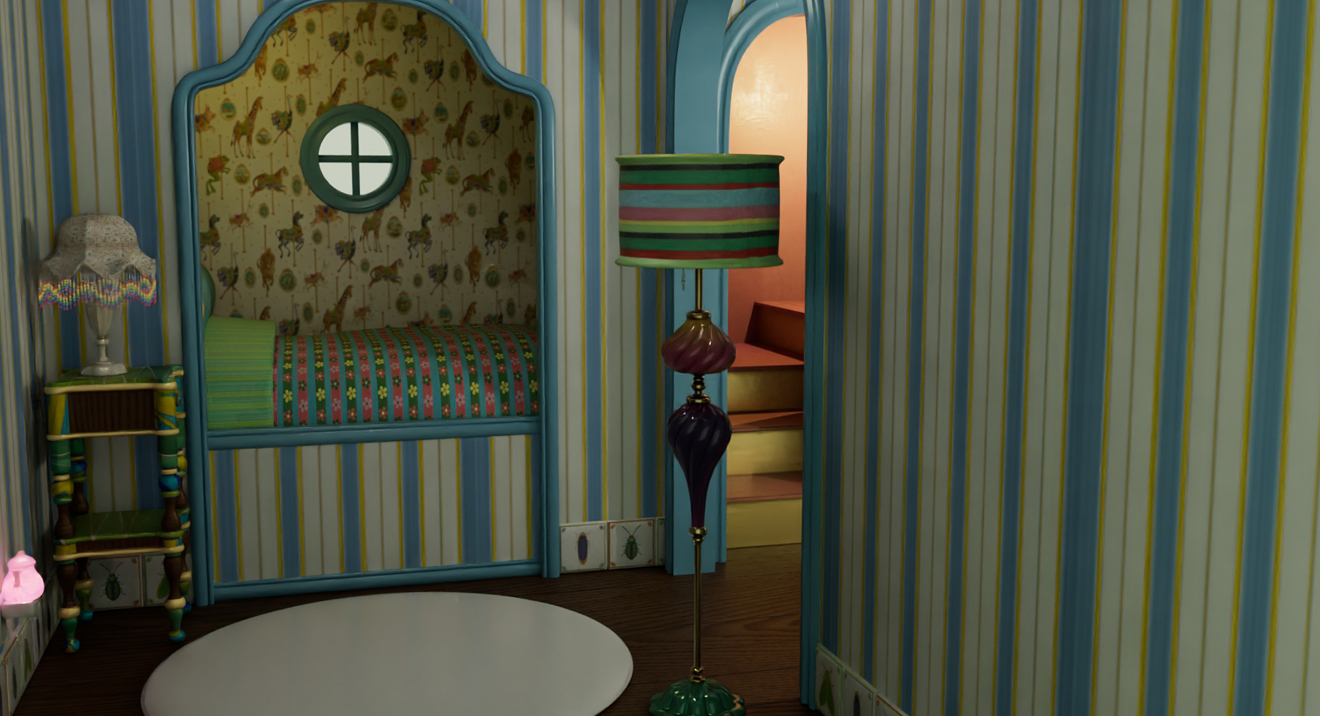
Homework for Zoe took way more time than it did for your average six-year-old. But aesthetics mattered to her, even at that young age. Not that everything had to look pretty or realistic—she valued the bizarre, the whacky, the scary, the unusual just as much—but she always had a vision to strive for. Her art, whether it was a drawing, a “sculpy” sculpture, a dress-up outfit, or a block design—was fanciful, playful, dark, joyful, often hilarious—but always, always original, like Zoe herself. She kept you guessing. What would she show you next? We lived in a state of anticipation.
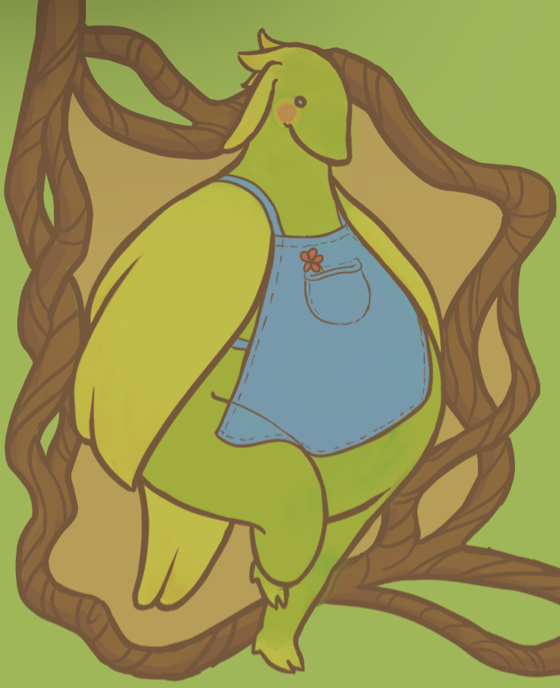
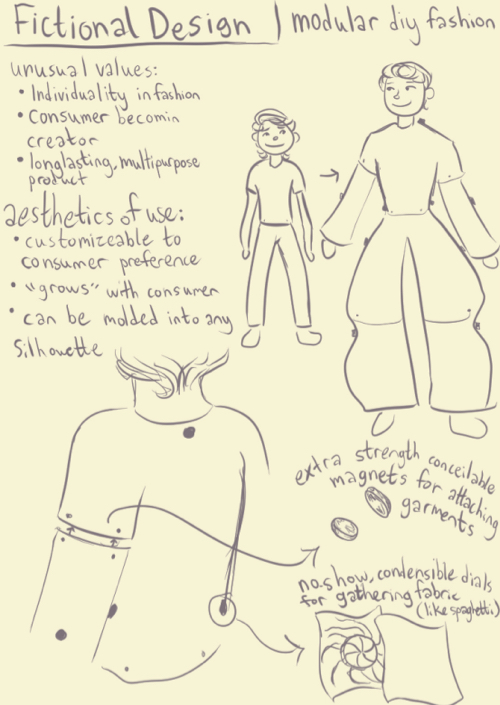

2021, If we can date each artwork, I think it would be really nice, alongside a short description.
2021, If we can date each artwork, I think it would be really nice, alongside a short description. Lorem ipsum dolor sit amet, consectetur adipiscing elit. Quisque at mollis magna, eu condimentum nibh. Ut nec consectetur risus. Vivamus et viverra lectus.
As Zoe grew and faced circumstances that raised her anxiety—social and otherwise— Zoe relied on her art for mental and emotional well-being. When she was about ten or eleven, Zoe attended a slumber party along with a handful of other girls. There were about eight kids in total, including the birthday girl. Though cliques were already forming among them at school, along with various tween rifts and grudges, those seemed to have been tabled for the evening.
According to the hostess’s mother, all was peaceful until near bedtime, when tensions exploded over a game. The mother was called down to the basement play area. People were in tears, flinging bitter accusations about cheating, but also over some secret revealed without authorization. Differences proved irreconcilable; the party was cut short; parents were called to retrieve their daughters. Zoe, according to the hostess’s mother, had stayed out of the fray. When things got volatile, she had apparently dragged a beanbag, a tin of markers and a tablet of paper to one corner of the basement, turned her back on the others, and thrown herself into a drawing. “It was like she was processing it all on her own,” the mother told me. I knew Zoe well, knew that conflict made her anxious. Later Zoe confirmed it for me: she had indeed taken refuge in her own creativity. Art saved her—not for the first or last time.
Zoe expressed herself in quirky cartoon drawings—sometimes satirical and political, but just as often, flavored with loving jabs at her family members and closest friends. She designed games that were at once clever and captivating to look at. Zoe even invested her energy in wearable craft creations: string friendship bracelets and other jewelry, crochet, needlepoint, and embroidery. When she was too sick to draw or craft, Zoe turned to her many Pinterest boards, categorizing and curating stunning collections, worlds of beauty for her hundreds of thousands of followers to explore.
For all these reasons, when we considered how to honor Zoe’s legacy, we knew art would be the cornerstone. Zoe’s artistic sense united themes of beauty, whimsy, irony, and political urgency. We believe this scholarship fund will help keep Zoe’s creative ethos alive, supporting and inspiring new work by others, celebrating the next generation of progressive, creative minds at this tenuous period in history.
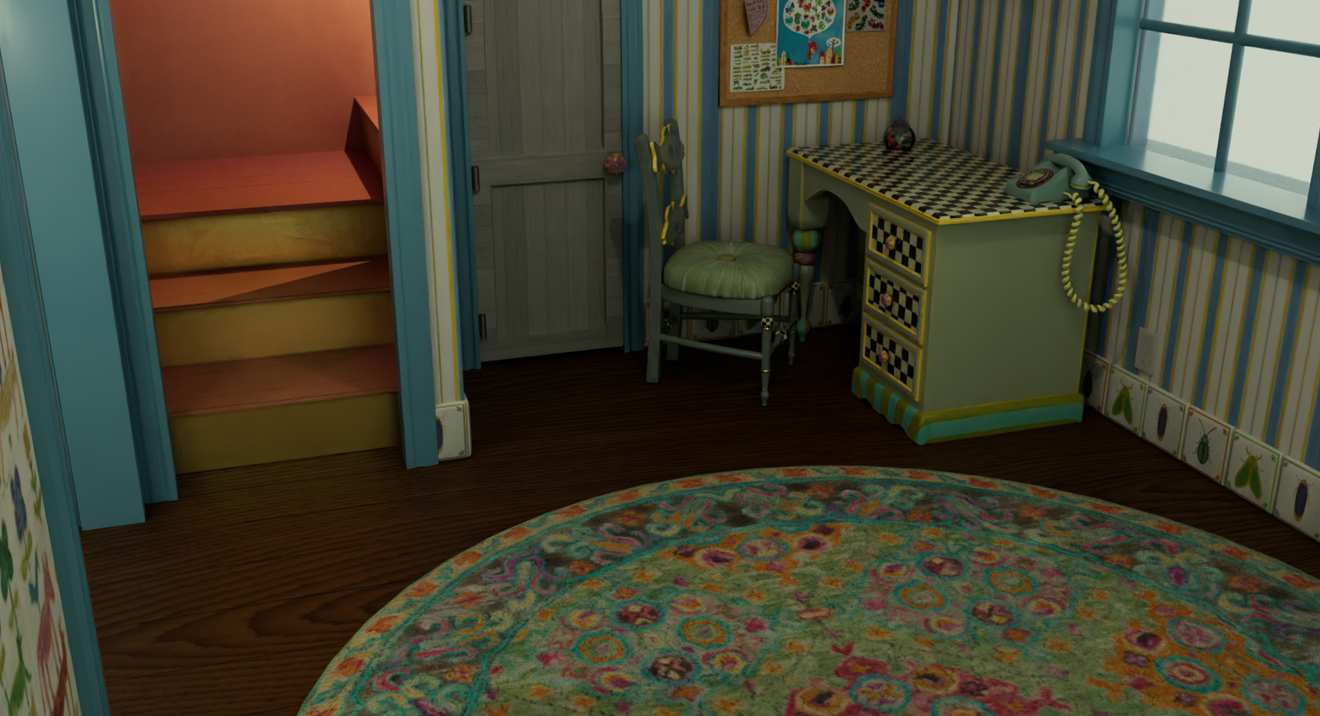
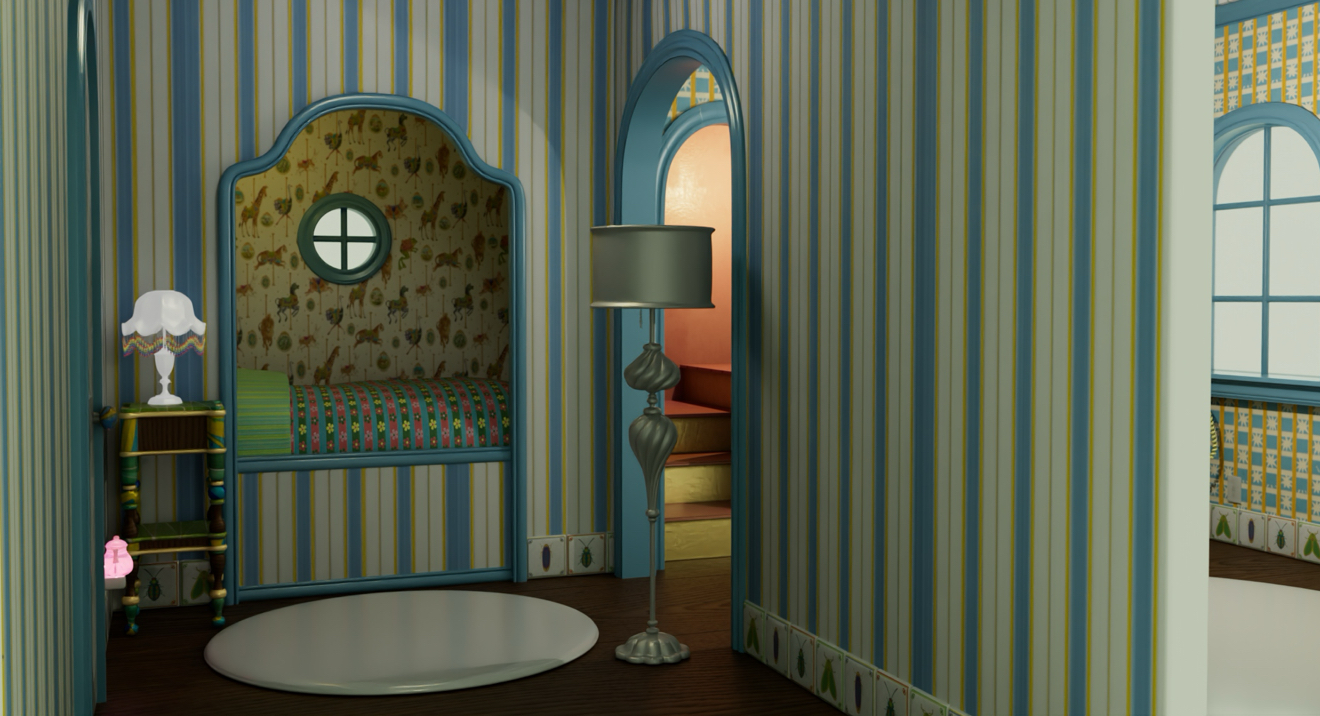
2021, If we can date each artwork, I think it would be really nice, alongside a short description.